
The global defence sector is entering a period of unprecedented technological transformation. As we move into 2026, the demand for skilled engineers, project managers, and security professionals at firms like BAE Systems, Lockheed Martin, and Northrop Grumman has never been higher. However, the barrier to entry is unique: it isn't just about what you know, but who you are and how you handle sensitive information.
In the defence industry, your resume is more than a career history—it is a "Credential of Trust." It must prove your technical mastery while simultaneously demonstrating that you are a low-risk, high-integrity candidate capable of passing rigorous Security Clearance screenings.
In this 3,000-word masterclass, we will deconstruct the anatomy of a winning 2026 defence resume. We will show you how to safely list your clearance, how to master the "Defence ATS," and how to showcase the "High-Security DNA" that recruiters are looking for.
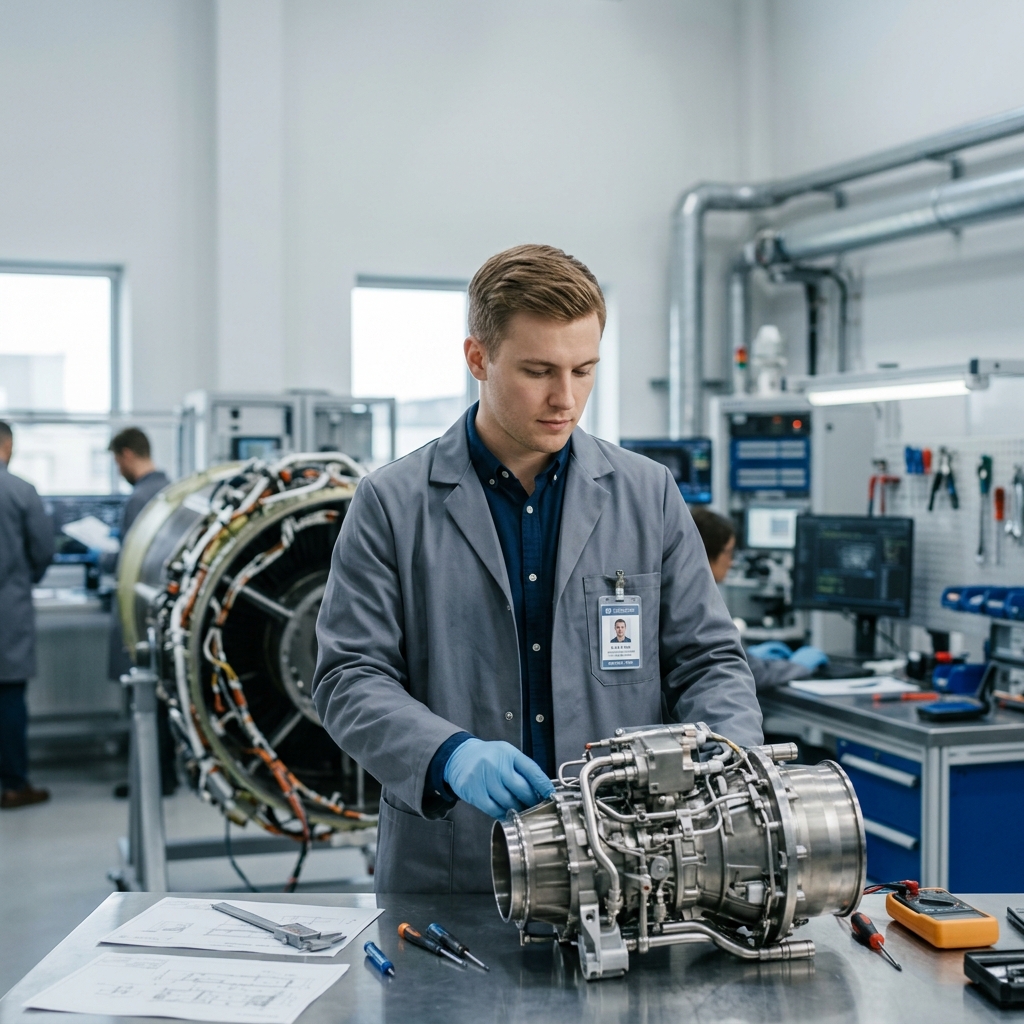
The 2026 Defence Resume DNA: Integrity & Compliance
To survive the initial scan at a major defence contractor, your resume must highlight three critical pillars:
- Technical Rigor: Evidence of your skills in systems engineering, aerospace, cybersecurity, or advanced manufacturing, often backed by certifications like CPEng or PE.
- Security Readiness: A clear, compliant statement of your security clearance status (e.g., SC, DV, Secret, or TS/SCI).
- Ethical Grounding: Evidence that you understand the "Duty of Confidentiality" and have a history of adhering to strict operational protocols.
Before you send your application, you need to ensure it can survive the automated gatekeepers. Our Free ATS Checker allows you to run a quick scan of your resume against the high standards of the aerospace and defence industry. It will tell you if your 'Systems Engineering' keywords are visible and if your formatting is clean enough for a 2026 technical screening. If your score is low, you can instantly rebuild your document using our CV Builder to ensure you are meeting the "Fortress Standard" of defence resumes.
The Anatomy of a High-Impact Defence Resume
1. The Header: Leading with Status
In the defence world, your clearance status is a "Fast-Pass." If you hold an active or current clearance, it should be the second thing a recruiter sees after your name.
Example Placement:
John Doe | BEng (Hons) | Active SC Clearance
john.doe@email.com | +44 123 456 789
2. The Professional Summary: Your "Cleared" Pitch
Avoid generic statements. In 2026, you need to be specific about your Security Context.
Instead of: "Hardworking engineer looking for a defence role."
Try: "Systems Engineer with 5+ years of experience in high-stakes aerospace environments and an Active Top Secret (TS/SCI) clearance. Proven track record in managing technical compliance for multi-million dollar defence contracts while adhering to strict ITAR and EAR regulations. Focused on delivering technical excellence within secure, cleared environments."
3. Experience: The "Unclassified" Achievement
Writing about defence work is tricky. You must prove your impact without revealing sensitive program details. Use the STAR-Impact method to turn duties into unclassified achievements.
Instead of: "Worked on the X-52 secret radar program."
Try: "Led the technical validation for a major next-generation sensor platform, managing a team of 12 engineers to deliver the project 15% ahead of the Q3 milestone. Implemented a new data-encryption protocol that enhanced system resilience by 40%."
For more on turning high-stakes projects into professional achievements, read our top CV tips for technical graduates.
The 2026 Defence Keyword List: ATS Essentials
Ensure your resume naturally includes these terms to boost your relevance:
- Technical Skills: Systems Integration, Lifecycle Management (PLM), Cybersecurity, RF Engineering, Propulsion Systems, Embedded Systems.
- Compliance & Security: Security Clearance (SC/DV/TS), ITAR/EAR Regulations, ISO 9001, Quality Assurance (QA), Risk Mitigation, Technical Integrity.
- Tools & Platforms: MATLAB, CAD (SolidWorks/CATIA), Python, Jira, Advanced Project Management (APM/PMP).
[!IMPORTANT] Security Warning: NEVER list specific code words, project names (unless public), or classified locations on your resume. Doing so is an immediate disqualifier and a security violation. Always use general terms like "Major Aerospace Platform" or "National Security Contract."

Beyond the Technical: Showcasing "Security Awareness"
While technical skills get you the interview, your "Security DNA"—specifically your Attention to Detail and Discretion—gets you the job.
- Protocol Adherence: Mention any time you were responsible for handling sensitive data or managing a 'Clean Room' environment.
- Ethical Integrity: Highlight your experience with compliance training or any role where you acted as a 'Designated Security Officer.'
If you are transitioning from another engineering field into defence, our guide on how to tailor your CV to any job description is an essential resource for reframing your history.
2026 Trends: AI in Defence and Cyber-Physical Security
In 2026, the defence industry is focused on the intersection of physical hardware and digital AI.
- AI Collaboration: Mention how you use AI for predictive maintenance or to optimize supply chain logistics for defence contracts.
- Cyber-Physical Systems: Show you understand that every piece of hardware is now a potential digital node. Highlighting your understanding of hardware security will set you apart.
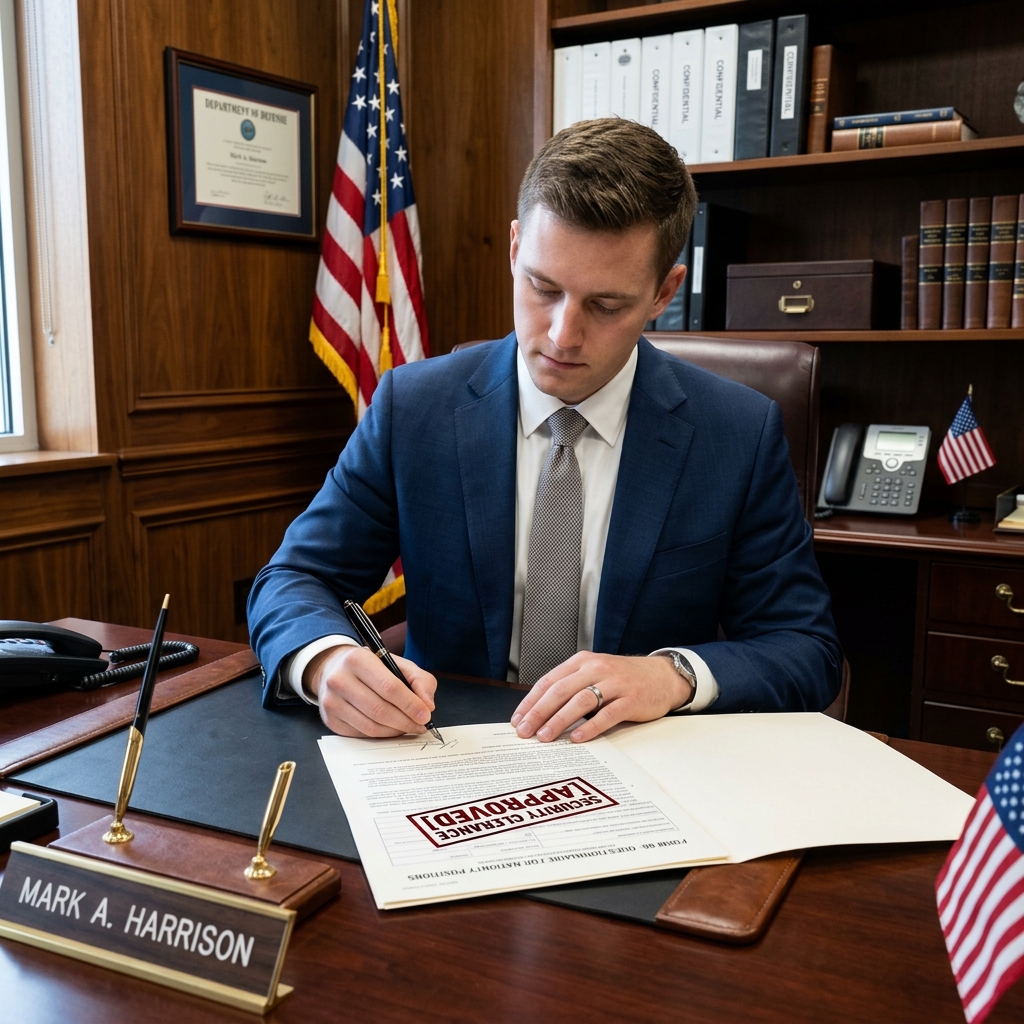
Final Checklist for Defence Resume Success
- Clearance is Prominent: Ensure it is in the header or summary.
- No Classified Info: Double-check every bullet point for 'Code Words.'
- Quantify Your Wins: Use specific percentages and milestones.
- Technical Section is Detailed: List your specific software and compliance proficiencies.
For those who are preparing for the high-stakes interview process that follows, don't miss our comprehensive guide on defence contractor interview questions. If you want to practice your technical storytelling, our AI Interview Coach can simulate a high-pressure 2026 defence interview and provide instant feedback on your technical logic and confidence.
Secure Your Future in Defence
In 2026, the best defence jobs go to the most prepared and trustworthy candidates. By aligning your resume with these modern standards and using the tools at your disposal, you can ensure your application is the one that passes through the gate.
Ready to build your perfect CV?
AlignCV helps you create ATS-friendly CVs and tailored cover letters with AI.
Create Your CV NowWritten by
Mehmet Kerem Mutlu
Founder of AlignCV · Mechanical Engineering Student
Mehmet Kerem is a mechanical engineering student and the founder of AlignCV — an AI-powered career platform built to help every job seeker land their next role with confidence. Combining his engineering mindset with a passion for product development, he designs tools that make CV writing, cover letter generation, and interview preparation faster and smarter. He writes about career strategy, AI in hiring, and the future of work.