
Entering the NHS as a Band 5 Physiotherapist is one of the most rewarding and challenging steps in a healthcare career. As we move into 2026, the expectations for newly qualified clinicians have shifted. While your university degree provided the foundation, the NHS is now looking for "Safe, Reflective, and Adaptable" practitioners who can thrive in a high-pressure, digitally-integrated environment.
In today's market, the interview panel isn't just testing your memory of muscle origins and insertions. They are looking for clinical reasoning, a deep understanding of Patient Safety, and the ability to work effectively within a Multidisciplinary Team (MDT).
In this 3,000-word masterclass, we will deconstruct the most common NHS Band 5 physiotherapy interview questions for 2026. We will provide you with winning answers using the STAR-Impact method—which you can practice in real-time with our AI Interview Coach—and show you how to demonstrate the "NHS Values" that recruiters are looking for.
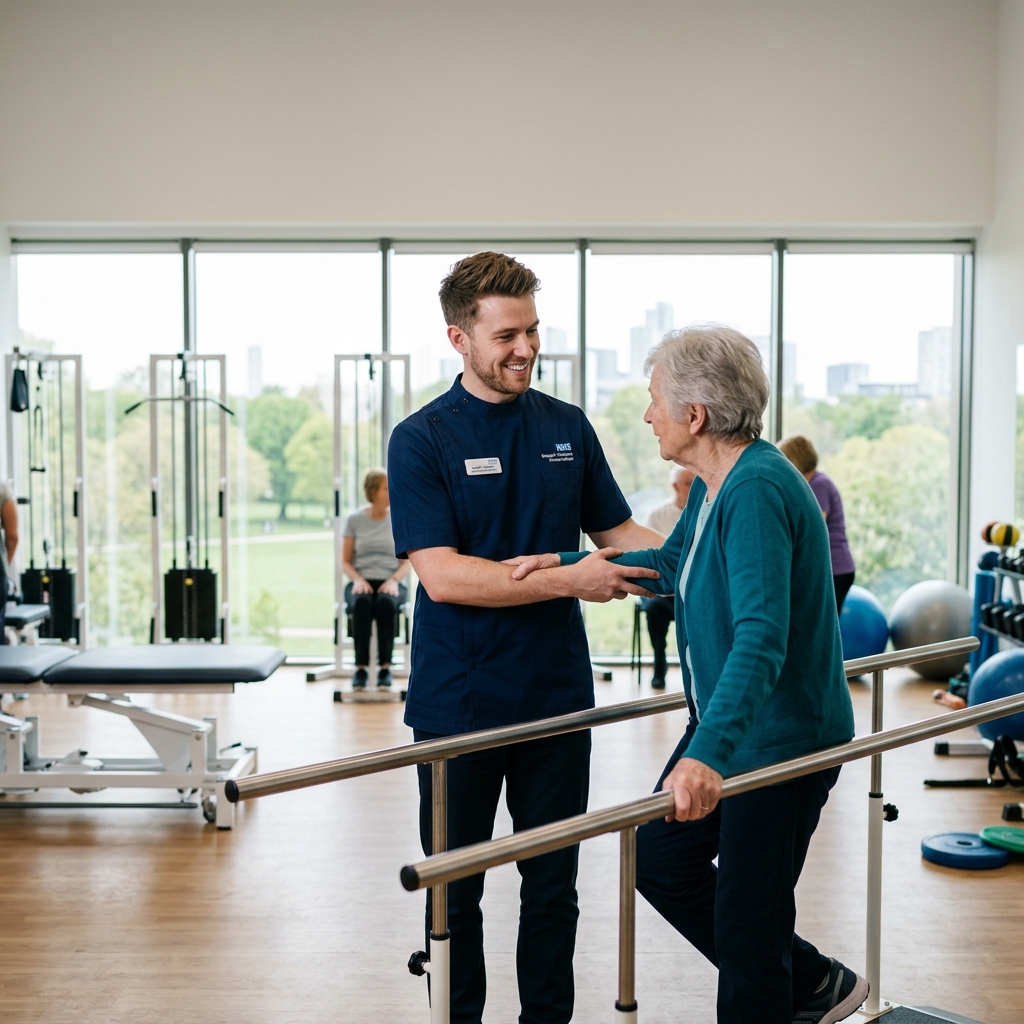
The 2026 NHS Mindset: Safety First
Before we dive into specific questions, you must understand the core philosophy of a Band 5 interview. The panel is not looking for a senior specialist; they are looking for someone who:
- Is Safe to Practice: You know when to treat and, more importantly, when not to treat.
- Recognizes Limits: You are confident enough to admit when you need help and know exactly who to escalate to.
- Values Professionalism: You adhere to the HCPC Standards of Conduct and CSP Quality Assurance Standards.
To ensure your application reflects this level of clinical maturity before you even step into the room, use our ATS Optimizer to align your CV with the specific clinical competencies mentioned in the NHS Job Description.
Top Clinical Scenario Questions and Winning Answers
1. "You are on an inpatient ward and a patient suddenly becomes breathless during your session. What is your immediate action?"
This is a classic "Safety & Acute Management" question. The panel is looking for a systematic approach (A-E assessment).
Expert Answer:
Situation: While mobilizing a post-operative patient on a surgical ward, the patient suddenly reports severe shortness of breath and becomes visibly distressed.
Task: I needed to ensure the patient's immediate safety, stabilize their condition, and escalate the clinical emergency.
Action: I immediately ceased the treatment and assisted the patient into a safe, supported position. I performed a rapid A-E assessment, checking airway patency, breathing rate, and oxygen saturations. I noticed a significant drop in SpO2 to 88% and an increased respiratory rate. I immediately alerted the nursing staff and initiated the 'Medical Emergency' protocol (crash call) as per trust policy while maintaining continuous monitoring.
Result: The medical team arrived within 2 minutes. I provided a concise handover using the SBAR (Situation, Background, Assessment, Recommendation) tool, noting the sudden onset and clinical signs.
Impact: My rapid response ensured the patient received oxygen and medical intervention for a suspected pulmonary embolism immediately. This incident taught me that at the Band 5 level, clinical vigilance is the most important skill you bring to the ward.
2. "Tell us about a time you had to deal with a difficult colleague or a disagreement within the MDT."
Physiotherapy is a team sport. Whether you are working with Occupational Therapists, Nurses, or Doctors, conflict is inevitable.
Expert Answer:
Situation: During a discharge planning meeting, a doctor insisted a patient was ready to go home, but my assessment showed the patient was still unsafe on stairs and lacked sufficient support.
Task: I had to advocate for the patient’s safety while maintaining a professional relationship with the senior medical team.
Action: I didn't simply say 'no.' I presented my objective assessment findings, including the patient's 'Timed Up and Go' scores and their inability to safely navigate the 4 steps required for their home environment. I proposed a compromise: a 24-hour delay to involve the OT for a rapid home equipment assessment and to provide the family with mobility training.
Result: The doctor agreed to the delay once they saw the objective safety risks.
Impact: The patient was discharged 24 hours later with the correct equipment, avoiding a high-risk readmission. This taught me that professional 'Courage' (one of the 6Cs) is best supported by objective clinical data.
Mastering Clinical Governance: The Pillars of Quality
You will almost certainly be asked about Clinical Governance. Don't panic. You don't need to recite a textbook definition. You need to show how it applies to your daily work.
- Audit: Have you ever participated in a data collection exercise to improve service?
- Evidence-Based Practice (EBP): How do you use NICE Guidelines to inform your treatments?
- Risk Management: Do you know how to report an incident using the Datix system?
- CPD (Continuing Professional Development): How do you keep your skills sharp?
[!TIP] Mention your CPD Portfolio. In 2026, many Trusts expect a digital portfolio. Mentioning that you regularly reflect on your placements using the CSP ePortfolio shows a high level of professional engagement.
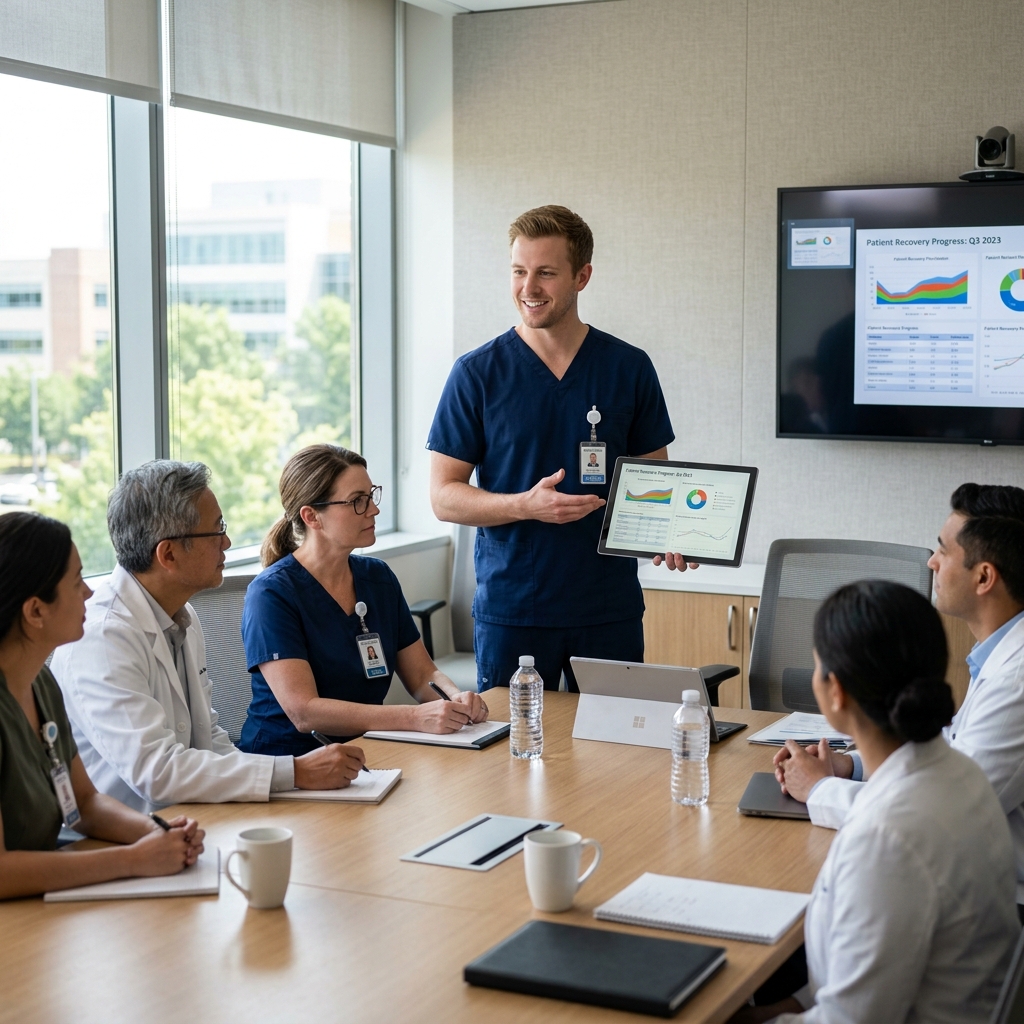
2026 Trends: Digital Health and Patient Empowerment
In 2026, the NHS is "Digital First." You should be prepared to discuss:
- Virtual Wards: How do you monitor a patient's progress remotely?
- Patient Self-Management: How do you use apps to help patients take control of their recovery?
- Health Inequalities: How do you ensure your treatment plans are accessible to everyone, regardless of their background?
If you are a recent graduate looking for more general advice on entering the workforce, read our top CV tips for fresh graduates.
Behavioral Questions: The 6Cs and NHS Values
The NHS values (Care, Compassion, Competence, Communication, Courage, Commitment) are the "Secret Sauce" of a successful interview.
3. "Give us an example of how you have demonstrated compassion in a clinical setting."
Expert Answer:
Situation: I was treating a patient with a new stroke diagnosis who was extremely unmotivated and refused to engage in therapy.
Task: I needed to build rapport and understand the barrier to their engagement.
Action: Instead of pushing for exercises, I sat with the patient for 10 minutes and just listened. I discovered they were terrified of falling and felt they had lost their dignity. I adjusted our session to focus on 'bed mobility' first, ensuring they felt in control of every movement, and provided constant reassurance.
Result: The patient began to trust me and slowly started engaging in more challenging standing exercises.
Impact: By showing empathy first, I unlocked their potential for recovery. This reinforced that clinical results are impossible without human connection.
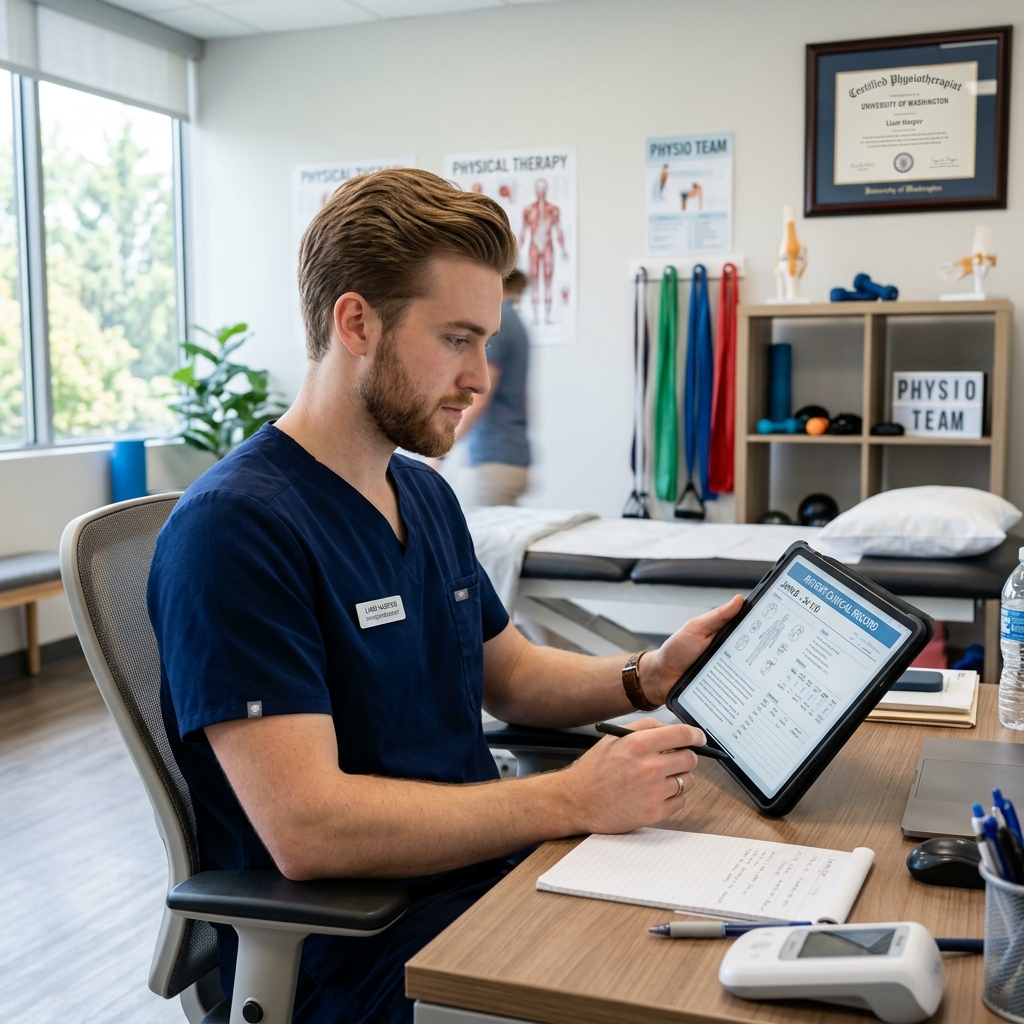
Final Checklist for NHS Interview Success
- Know the Trust: Read their latest CQC report and mission statement.
- Prepare Your Scenarios: Have at least one MSK, one Respiratory, and one Neurological scenario ready.
- Quantify Your Impact: Use the STAR-Impact method for every answer.
- Dress Professionally: Even for a video interview, look the part of a clinical professional.
Before you go, make sure your resume is as strong as your interview skills. Our Free ATS Checker will tell you if your CV is hitting the right notes for an NHS Band 5 role. If you need to rebuild it from scratch, our CV Builder has specialized templates for healthcare professionals.
In 2026, the NHS needs clinicians who are as compassionate as they are competent. By preparing with these modern standards, you can ensure you are the one signing the offer letter.
Practice with our AI Mock Interviewer
Simulate real interviews, get instant feedback, and build confidence before the big day.
Start PracticingWritten by
Mehmet Kerem Mutlu
Founder of AlignCV · Mechanical Engineering Student
Mehmet Kerem is a mechanical engineering student and the founder of AlignCV — an AI-powered career platform built to help every job seeker land their next role with confidence. Combining his engineering mindset with a passion for product development, he designs tools that make CV writing, cover letter generation, and interview preparation faster and smarter. He writes about career strategy, AI in hiring, and the future of work.