
The aerospace industry in 2026 is defined by rapid innovation in autonomous flight, sustainable propulsion, and next-generation satellite constellations. For engineers at firms like Airbus, Rolls-Royce, and SpaceX, a resume is more than a list of jobs—it is a technical portfolio that proves you can manage complexity at the edge of physical possibility.
In 2026, recruiters are no longer scanning for simple job titles. They are looking for Project-Based Impact. They want to see how you applied CFD, managed MBSE (Model-Based Systems Engineering), and navigated the rigorous certification standards of the CAA or FAA.
In this 3,000-word authority masterclass, we will deconstruct the anatomy of a winning 2026 aerospace engineer resume. We will show you how to frame your technical projects as commercial wins, which certifications actually move the needle, and how to ensure your specialized technical stack is perfectly indexed by the industry's most advanced Applicant Tracking Systems.
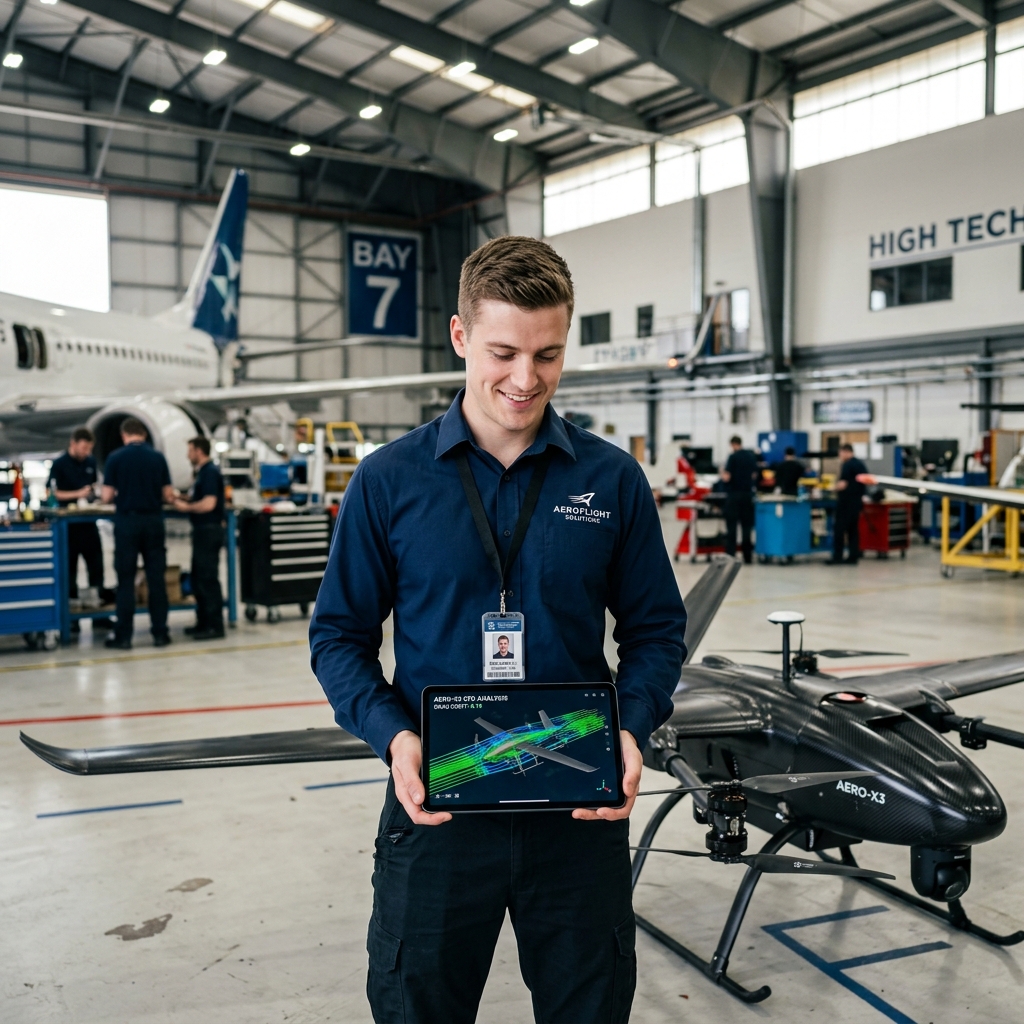
The 2026 Aerospace Resume DNA: Complexity & Compliance
To rank in the top 1% of candidates in 2026, your resume must bridge the gap between "Deep Technical Research" and "Operational Compliance."
- Technical Depth: Detailed evidence of your work with tools like ANSYS, MATLAB/Simulink, and SolidWorks, backed by quantifiable data (e.g., weight reduction or fuel efficiency).
- Safety & Certification: Evidence of your familiarity with standards such as DO-178C, DO-254, or AS9100. In aerospace, if it isn't documented and certified, it doesn't exist.
- Project Stewardship: Evidence that you can lead a multidisciplinary team through the "V-Model" lifecycle, from requirements to validation.
Before you send your application to a major prime contractor, ensure your formatting is robust enough for automated screening. Our Free ATS Checker allows you to run a quick scan of your document to ensure your 'Propulsion,' 'Avionics,' and 'CFD' keywords are visible to automated filters. If your score is low, you can instantly rebuild your document using our CV Builder to ensure you are meeting the "Space-Grade Standard" of aerospace resumes.
The Anatomy of a High-Impact Aerospace Resume
1. The Technical Projects Section: Lead with Impact
In 2026, your Projects section should often come before your work experience if you are a graduate or early-career engineer. Each project should follow the STAR-Impact method.
Instead of: "Built a small UAV for a university project."
Try:
Situation: As part of a senior design project, we needed to increase the flight endurance of a carbon-fiber fixed-wing UAV by 20% while maintaining a payload of 1kg.
Task: I was responsible for the aerodynamic optimization of the wing profile and the integration of a high-efficiency brushless propulsion system.
Action: I used ANSYS Fluent to simulate 50+ airfoil variations and selected a high-lift profile. I then programmed a custom flight controller script in Python to optimize power distribution during the ascent phase.
Result: The final prototype achieved a 25% increase in flight endurance, exceeding the project goal.
Impact: This project demonstrated my ability to manage the full design-simulate-build-test cycle and was later presented at the RAeS Student Conference.
For more tips on framing your academic work as professional experience, check out our guide on CV tips for fresh graduates with no experience.
Critical Certifications for 2026 Aerospace Roles
While your degree is the ticket to the show, certifications are the VIP pass. In 2026, these are the most sought-after credentials:
- Technical Standards: DO-178C (Software), DO-254 (Hardware), AS9100 (Quality).
- Project Management: PMP or PRINCE2 (Essential for Systems Integration roles).
- Tool-Specific: Certified SolidWorks Professional (CSWP), ANSYS Certified Associate.
- Professional Status: CEng (Chartered Engineer) or IEng (Incorporated Engineer) via the Engineering Council.
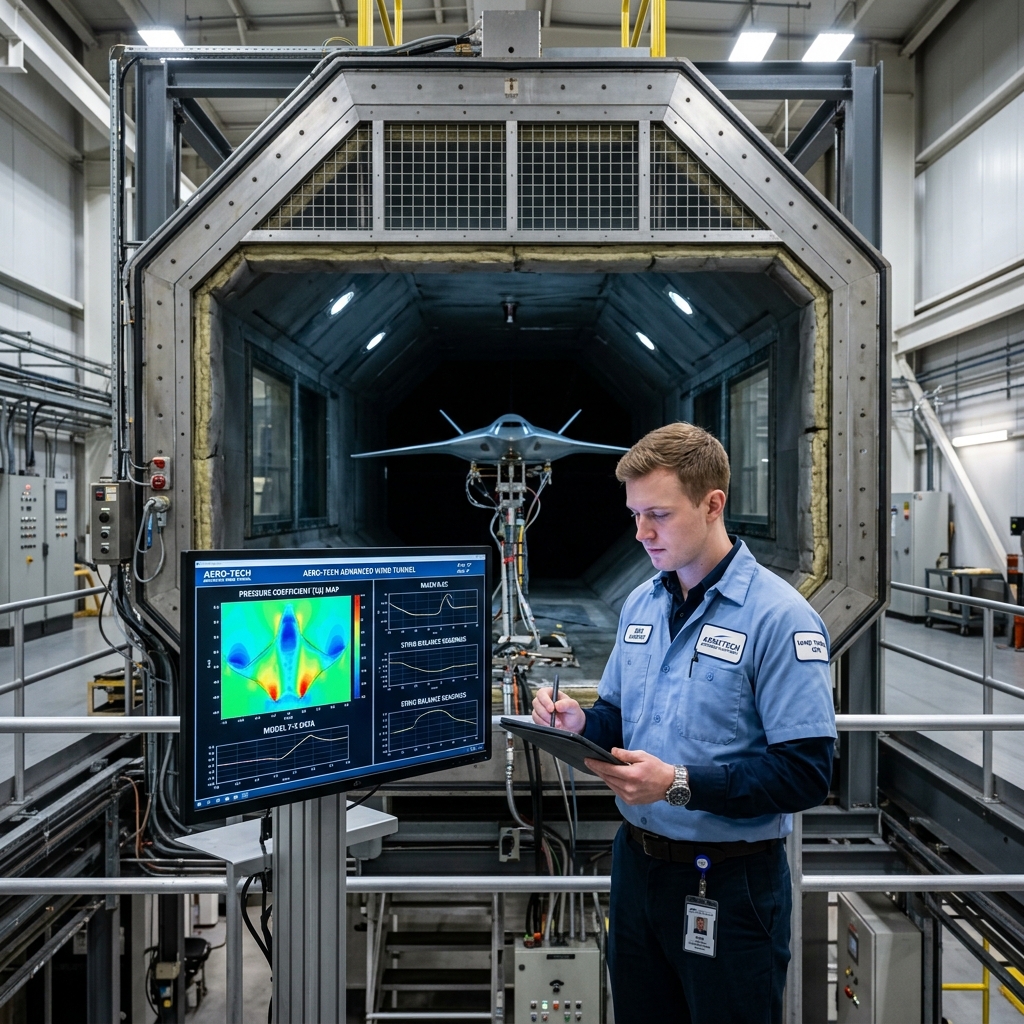
The 2026 Aerospace Keyword List: ATS Essentials
Ensure your resume naturally includes these terms to boost your relevance in the aerospace recruitment market:
- Engineering Domains: Aerodynamics, Avionics, Propulsion Systems, Structural Analysis (FEA), Orbital Mechanics, Systems Integration.
- Digital Engineering: Digital Twin, MBSE (Cameo/MagicDraw), Model-Based Design, Simulation-Led Design.
- Tools: ANSYS, MATLAB, Python, CATIA V5/V6, NASTRAN/PATRAN, Jira/Confluence.
[!TIP] Don't just list "CAD." Specify the complexity—e.g., "Designed a 500-part assembly for a landing gear subsystem using CATIA V6, implementing advanced surface modeling and GD&T for manufacturing."
Beyond the Design: Showcasing "Mission-Critical" Mindset
Recruiters at Lockheed Martin and BAE Systems aren't just looking for designers; they are looking for "Mission-Critical Engineers."
- Risk Mitigation: Highlight any time you performed a FMEA (Failure Mode and Effects Analysis) or identified a technical risk before it reached the testing phase.
- Sustainability: In 2026, mentioning experience with Hydrogen Fuel Cells, Electric Propulsion, or Bio-fuels is a massive differentiator.
If you are applying for high-stakes roles in the UK or US, our guide to tailoring your CV to any job description will help you align your project history with the specific platform requirements (e.g., F-35, A350, or Starlink) of your target firm.
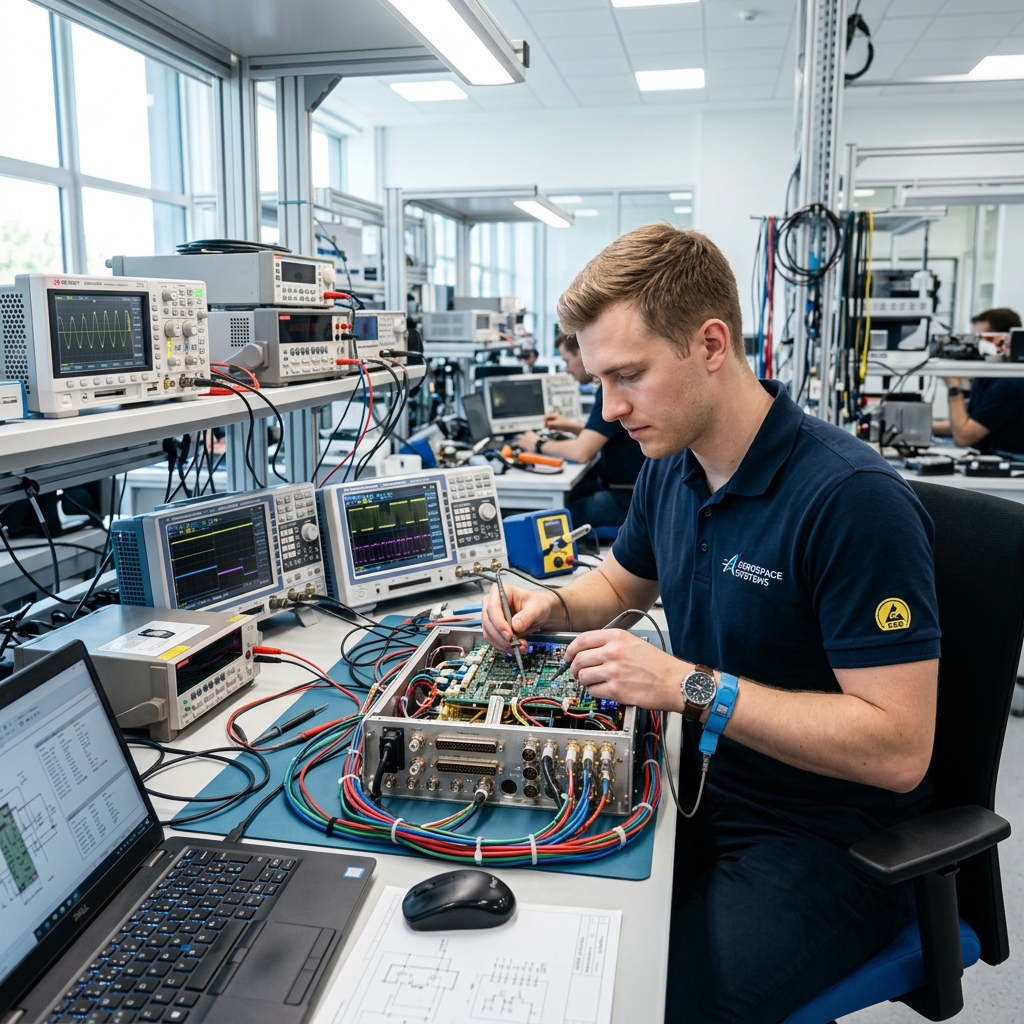
Final Checklist for Aerospace Resume Success
- Technical Projects are Detailed: Every project has a tool (e.g., CATIA) and a metric (e.g., 10% weight reduction).
- Certifications are Visible: Certifications are listed in their own section near the top.
- Software Stack is Current: You’ve listed modern tools like Python and MBSE software.
- Compliance is Mentioned: You've referenced at least one industry standard (e.g., AS9100).
For those who are preparing for the high-pressure interview process that follows, don't miss our comprehensive guide on UK aerospace and defence graduate interviews. If you want to practice your technical storytelling and reasoning, our AI Interview Coach can simulate a high-pressure 2026 engineering interview and provide instant feedback on your technical logic and confidence.
Secure Your Role in the Future of Flight
In 2026, the best aerospace jobs go to those who can prove they are ready for the complexity of modern aviation. By aligning your resume with these standards and using the tools at your disposal, you can ensure your career takes off with the right momentum.
Ready to build your perfect CV?
AlignCV helps you create ATS-friendly CVs and tailored cover letters with AI.
Create Your CV NowWritten by
Mehmet Kerem Mutlu
Founder of AlignCV · Mechanical Engineering Student
Mehmet Kerem is a mechanical engineering student and the founder of AlignCV — an AI-powered career platform built to help every job seeker land their next role with confidence. Combining his engineering mindset with a passion for product development, he designs tools that make CV writing, cover letter generation, and interview preparation faster and smarter. He writes about career strategy, AI in hiring, and the future of work.